Lowercase Calligraphy Worksheet: A Modern Approach to Elegant Writing
Modern calligraphy has become a popular art form, blending creativity with precision. For those looking to refine their handwriting or explore a new hobby, the Lowercase Calligraphy Worksheet offers a structured and practical way to develop skills. Whether you're a beginner or an experienced artist, these worksheets provide a foundation for mastering the delicate strokes that define lowercase lettering.
What Is a Lowercase Calligraphy Worksheet?
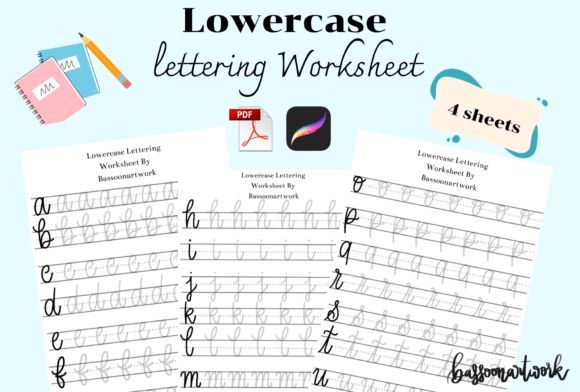
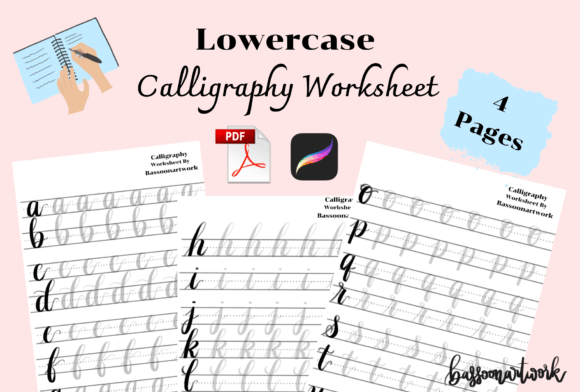
A Lowercase Calligraphy Worksheet is a printable PDF designed to help users practice writing lowercase letters using modern calligraphy techniques. These worksheets typically include guided lines, sample letters, and space for repetition. They are ideal for anyone who wants to improve their hand-lettering abilities without the frustration of starting from scratch.
The worksheet is especially useful for those who use digital tools like Procreate. By downloading the file to your iPad, you can easily bring it into your preferred app and practice with a brush pen or even on paper. This flexibility makes the Lowercase Calligraphy Worksheet a versatile resource for both traditional and digital artists.
Common Mistakes When Using a Lowercase Calligraphy Worksheet
While the Lowercase Calligraphy Worksheet is a valuable tool, there are several common mistakes that users may make, which can hinder progress and reduce satisfaction. Understanding these pitfalls can help you get the most out of your practice sessions.
- Skipping the basics: Some users jump straight into complex letters without mastering the fundamental strokes. This can lead to inconsistent results and frustration.
- Ignoring pressure control: Proper pressure is essential in calligraphy. Failing to adjust the weight of your strokes can result in uneven lettering and a lack of visual appeal.
- Not practicing regularly: Like any skill, calligraphy requires consistent practice. Infrequent use of the worksheet can slow down progress and make it harder to build muscle memory.
- Using the wrong tools: Not all pens or surfaces are suitable for calligraphy. Using a pen that doesn’t flow well or a paper that absorbs ink too quickly can affect the quality of your work.
How These Mistakes Can Affect Your Results
Mistakes in how you approach the Lowercase Calligraphy Worksheet can have a direct impact on your outcomes. For example, skipping the basics might lead to poor form, making it harder to correct later. Similarly, not focusing on pressure control can result in letters that look unbalanced or messy.
Another issue is the time and effort wasted on ineffective practices. If you’re not using the right tools or not practicing consistently, you may feel discouraged and abandon the activity altogether. This can be especially disappointing if you’re aiming to improve your handwriting for professional or personal projects.
Practical Tips to Avoid Common Errors
To make the most of your Lowercase Calligraphy Worksheet, consider these practical tips:
- Start with the fundamentals: Begin by focusing on basic strokes and shapes before moving on to full letters. This builds a strong foundation for more advanced techniques.
- Use the right tools: Choose a brush pen that suits your style and test it on different paper types to find what works best for you.
- Practice daily: Even 10–15 minutes a day can make a big difference. Consistency helps reinforce muscle memory and improves overall technique.
- Review your work: Take time to assess your progress. Compare your letters to the examples on the worksheet to identify areas for improvement.
What to Check Before Using a Lowercase Calligraphy Worksheet
Before diving into your Lowercase Calligraphy Worksheet, take a moment to evaluate a few key factors. First, ensure that the worksheet is designed for your specific skill level. Some worksheets may be too advanced or too simple, depending on your experience.
Also, check the file format and compatibility. A downloadable PDF should work across devices, but it’s good to confirm that it opens properly on your iPad or computer. Additionally, consider the size of the worksheet—some may be too small for comfortable practice, while others may be too large to fit on your workspace.
Realistic Examples and Better Approaches
Imagine you’re trying to write the letter “a” using the Lowercase Calligraphy Worksheet. If you rush through the exercise without paying attention to the stroke order, your letter may look jagged or uneven. A better approach would be to follow the guided lines step by step, focusing on each curve and angle.
Another example is using the worksheet in Procreate. If you’re not familiar with the app’s brush settings, you might not get the desired effect. Experiment with different brush sizes and opacity levels to achieve the right balance between fluidity and control.
Why the Lowercase Calligraphy Worksheet Is Worth Trying
The Lowercase Calligraphy Worksheet offers a structured and accessible way to learn modern calligraphy. It eliminates the guesswork of starting from scratch and provides a clear path for improvement. Whether you’re using it on paper or digitally, it’s a valuable resource for anyone interested in refining their handwriting or exploring a creative hobby.
By being mindful of common mistakes and following practical advice, you can maximize the benefits of this worksheet. With patience and persistence, you’ll see noticeable improvements in your calligraphy skills and enjoy the process along the way.