Feng Shui Planner EBook 📚✨
If you're looking to bring more harmony, balance, and positive energy into your life, the Feng Shui Planner EBook is a powerful tool that can guide you every step of the way. Designed for both beginners and enthusiasts, this planner offers a structured approach to applying Feng Shui principles in your home and workspace. With its user-friendly format and practical exercises, it helps you transform your environment in a meaningful and lasting way.
Why People Are Drawn to the Feng Shui Planner EBook
Many people turn to Feng Shui as a way to improve their well-being, productivity, and overall quality of life. The Feng Shui Planner EBook serves as a comprehensive resource that simplifies this process. It provides clear instructions on how to assess your space, set goals, and implement changes that align with the flow of energy, or Chi. Whether you're looking to enhance your career, relationships, or personal growth, this planner helps you stay focused and organized throughout your journey.
Common Mistakes When Using a Feng Shui Planner
While the Feng Shui Planner EBook is a valuable resource, some users may overlook key details that affect its effectiveness. One common mistake is rushing through the planning process without taking time to reflect on your needs and intentions. Feng Shui is not just about rearranging furniture—it's about creating an environment that supports your goals and values. Skipping this reflective step can lead to superficial changes that don't produce long-term results.
Another mistake is failing to personalize the planner to suit your unique lifestyle. Many people follow generic advice without considering their specific circumstances. For example, someone living in a small apartment might need different strategies than someone with a larger home. The planner includes sections for notes and reflections, but it’s up to you to make the most of them by tailoring your approach.
Overlooked Details That Impact Results
One often-ignored aspect is the importance of consistency. Feng Shui is a practice that requires ongoing attention and adjustments. Some users may complete the planner once and then neglect to revisit it, missing opportunities to refine their space over time. The planner includes daily practices and goal-setting sections, which are meant to be revisited regularly to ensure continued progress.
Additionally, many people underestimate the role of the five elements—wood, fire, earth, metal, and water—in shaping the energy of a space. A common error is using colors or materials that clash with these elements, which can disrupt the balance of your environment. The planner provides guidance on how to incorporate these elements effectively, but it’s essential to understand their significance to avoid misapplication.
How to Avoid Common Pitfalls
To get the most out of the Feng Shui Planner EBook, start by setting clear intentions. Take time to identify what you want to achieve in each area of your life, such as better health, improved relationships, or increased success. This will help you focus your efforts and make more intentional decisions when arranging your space.
Another practical tip is to use the planner as a living document. Update it regularly based on your experiences and observations. If a particular arrangement isn’t working, don’t hesitate to adjust it. The planner’s notes section is designed for this purpose, so take advantage of it to track what’s working and what needs refinement.
Finally, consider consulting additional resources or experts if you’re unsure about certain aspects of Feng Shui. While the planner provides a solid foundation, it’s always beneficial to deepen your understanding through books, online courses, or local workshops. This will help you make more informed choices and avoid common misconceptions.
What to Check Before Making a Decision
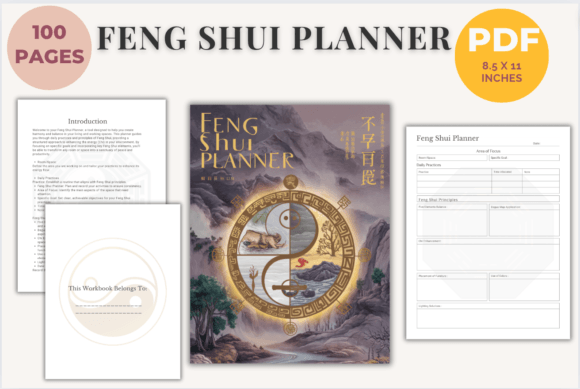
Before purchasing or downloading the Feng Shui Planner EBook, take a moment to evaluate whether it aligns with your needs and learning style. Consider the format—does the 8.5 x 11-inch size work for you? Are the pages easy to navigate and fill out? If you prefer digital tools, check if the planner is available in a downloadable format that suits your workflow.
Also, review the content to ensure it covers the topics you’re interested in. Does it include guidance on the Bagua map, color selection, and furniture placement? These elements are crucial for effective Feng Shui application. If the planner lacks depth in any of these areas, you may need to supplement it with other resources.
Lastly, look for reviews or testimonials from other users. Hearing about others’ experiences can give you a better idea of the planner’s strengths and limitations. This will help you make a more informed decision and avoid potential disappointments.
Realistic Examples and Better Approaches
Imagine you’re trying to improve your workspace for better productivity. A common mistake is placing your desk in a position where you have no clear view of the door, which can create feelings of vulnerability. Instead, use the planner’s room space section to identify the best location for your desk, ensuring it faces the entrance while allowing for proper energy flow.
Another example involves color choices. Many people select colors based on personal preference without considering their impact on energy. The planner encourages you to think about how different hues influence mood and behavior. For instance, using green in a workspace can promote growth and creativity, while blue can enhance focus and calmness.
By applying these insights and staying committed to the process, you’ll be able to create a space that supports your goals and enhances your well-being. The Feng Shui Planner EBook is more than just a tool—it’s a guide to helping you live more intentionally and harmoniously.